Ortakoy is a photographer’s dream because the whole village is a set. The baroque mosque sits at the water’s edge, the great bridge leaps overhead, and the Bosphorus carries ferries and fishing boats past every vantage point. You do not need a long walk or a secret location — the postcard compositions are concentrated in a few hundred meters of waterfront, and the light does the rest of the work. This guide maps the essential spots, the best hours, and the tricks that turn a good shot into a great one.
The Mosque and Bridge Composition
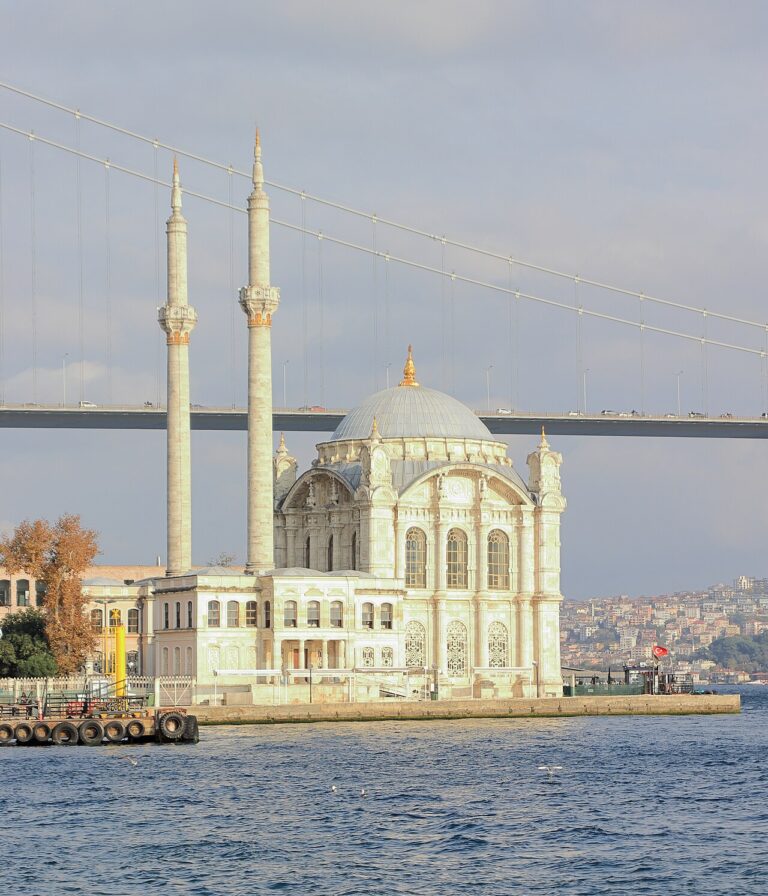
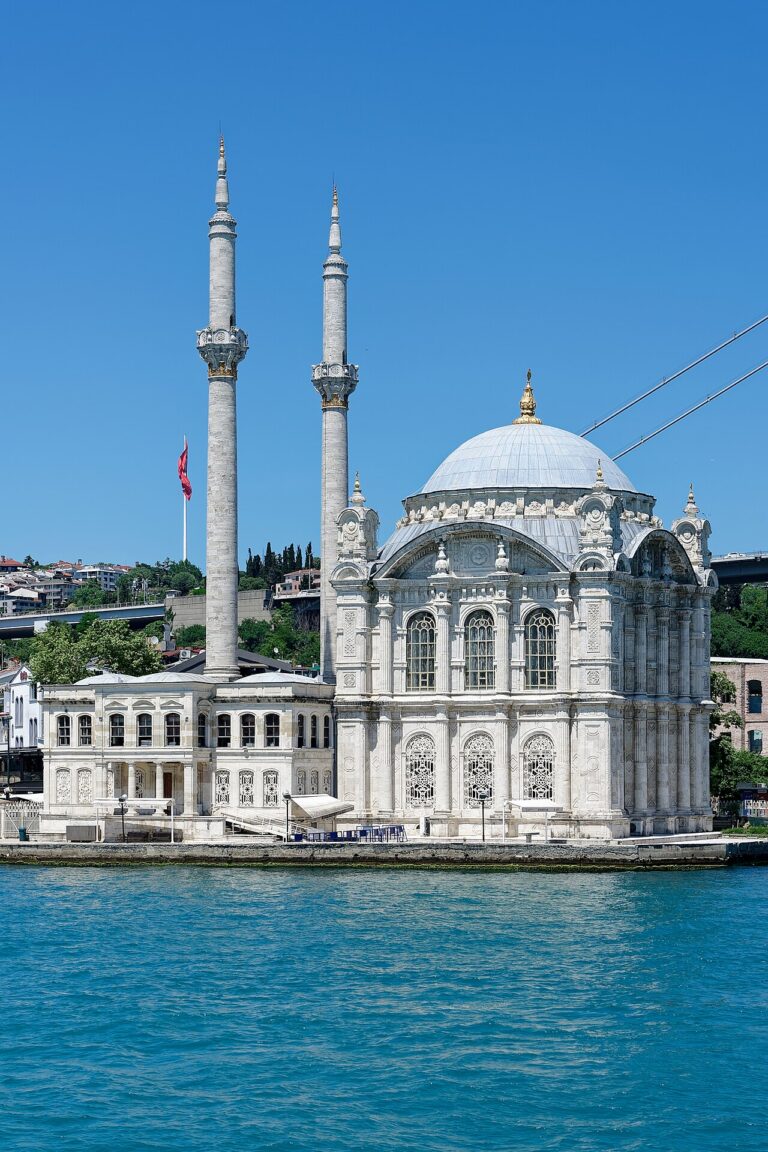
The classic Ortakoy photograph is the one you have seen a thousand times: the Ortakoy Mosque in the foreground, its slender minarets framing the dome, with the Bosphorus Bridge soaring above. The best spot for this composition is the square itself, standing back from the mosque so that the bridge appears to grow directly from its roofline. Use a wide lens and keep the water in the frame — the reflection doubles the drama. The composition works all day, but the cleanest version comes in the first hour after sunrise, when the light is soft and the cruise crowds have not arrived.
The Waterfront Promenade at Golden Hour
The promenade that runs along the shore in both directions from the square is the village’s second great vantage. Walk south toward the ferry landing and the mosque recedes into a perfect waterfront portrait framed by the bridge. Walk north and you catch the village from the side, the wooden mansions and cafés of the shore in the foreground with the strait beyond. At golden hour, an hour before sunset, the light turns amber and the whole shoreline glows. Bring a lens hood and shoot into the light for silhouettes of the ferries crossing.

The Back Streets Above the Square
The streets that climb the hill behind the square reward photographers who make the effort. From the upper lanes you get the view that the day-trippers miss: the mosque and bridge from above, layered over the rooftops of the village, with the Asian shore across the water. The streets themselves are photogenic — old wooden houses, laundry lines, doorways painted in faded colors, cats on the walls. Shoot in the late afternoon when the low sun rakes across the facades and casts long shadows down the lanes.
The Bridge from the Ferry Deck
Some of the best photographs of Ortakoy are taken from the water, not the shore. Board a ferry at the nearby pier and stand at the rail as the boat pulls away — the mosque and the bridge recede together, the village compressing into a single perfect composition. The ferries that cross to the Asian side give you the full sweep of the Bosphorus, and the light on the water in the morning is the most flattering of the day. Bring a fast shutter speed for the spray, and keep your camera in a dry bag on choppy days.
The Square at Night
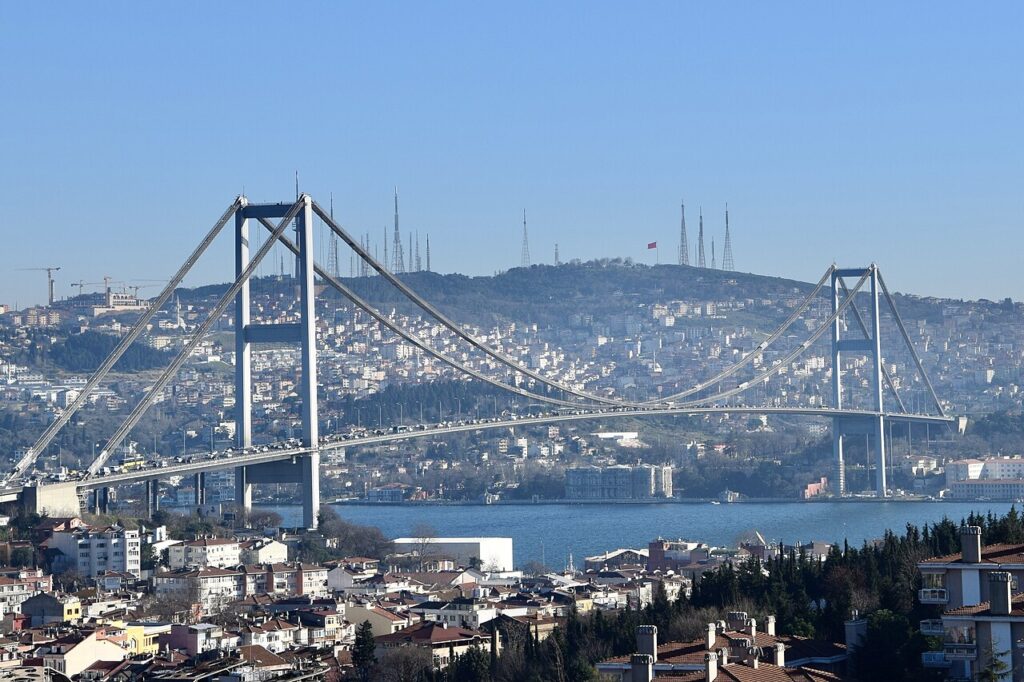
When the sun goes down, Ortakoy becomes a different subject. The mosque lights up, the bridge strings its lights across the strait, and the square’s stalls and restaurants throw warm pools of light onto the cobblestones. Set your camera on a steady surface or bring a small tripod — the long exposure turns the bridge lights into ribbons and the water into glass. The blue hour, twenty minutes after sunset, is the magic window when the sky is still deep blue and the lights have just come on.
The Kumpir Stalls and Street Life
The human photography of Ortakoy is as rich as the architecture. The kumpir stalls are a carnival of color — the topping counters stacked with corn, olives, sausage, cheese, and a dozen salads, the vendors working fast, the steam rising in the evening light. Photograph the vendors at work, the queues forming, the children choosing their toppings. A fast lens and a respectful distance work best; the vendors are used to cameras and mostly enjoy the attention, but a smile and a nod go a long way.

The Ferry Landing Framing
The ferry landing itself is a spot photographers overlook, and it is one of the most productive in the village. The landing steps give you a low angle over the water, the waiting passengers add human interest, and the ferries arriving and departing provide the motion that stills cannot. Time your visit for the ferry schedule — the arrivals cluster at regular intervals — and you can shoot a dozen compositions in twenty minutes. On misty winter mornings, the landing becomes something else entirely: the ferries emerging from the fog, the gulls materializing out of the gray, the whole strait reduced to silhouettes and suggestion. The landing works at every season, and it is the spot the postcard photographers never use.
The Practical Photography Kit
A few tools make the difference in Ortakoy. A wide-angle lens captures the mosque and bridge composition; a telephoto compresses the bridge span and isolates the ferry details; a polarizing filter deepens the water and cuts the glare that the Bosphorus throws in midday light. A small tripod opens the night and long-exposure possibilities — the bridge lights, the water smoothed to glass, the square’s lights streaking into stars. Arrive with a charged battery and an empty card: the village gives you more shots than you expect, and the light changes faster than you think.
The Seasonal Light
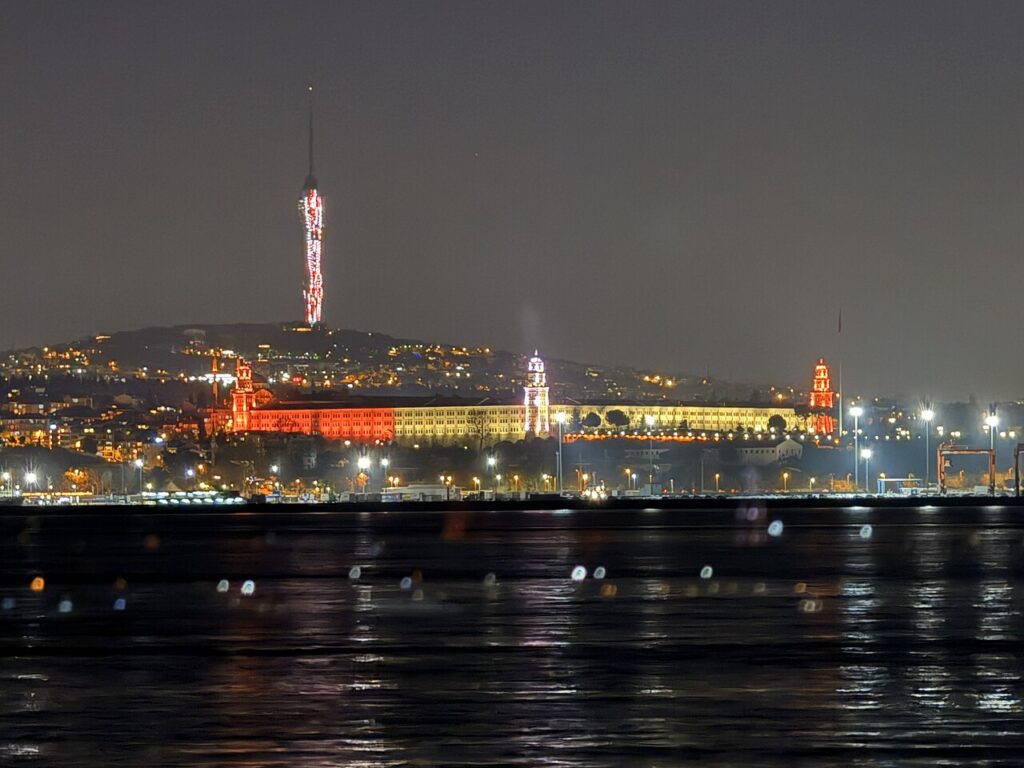
The photographer’s year in Ortakoy has its own calendar. Spring brings the clean, soft light and the first crowds; summer brings the long golden evenings and the dramatic sunsets over the bridge; autumn brings the low amber light that turns the mosque and the water gold; winter brings the silver light, the dramatic skies, and the rare gift of snow on the dome and the span. The blue hour after sunset works in every season, and the winter mist over the strait gives the village a mood that the summer postcards never show. The practical rule is simple: the light is best early and late, the middle of the day is for the shaded streets, and the village rewards the photographer who returns through the seasons. The mosque and the bridge are always there; the light is what changes, and the light is the photograph.
A final word on the gear: keep it simple. The best photographs of Ortakoy do not need a professional kit — a phone with a good camera, held steady at the right hour, captures the mosque and the bridge as well as any equipment. The secret is not the lens but the timing and the angle: the early light, the low viewpoint from the water, the willingness to wait for the ferry to enter the frame. Shoot generously, review quickly, and return to the same spot at a different hour to see how the light changes everything. The village rewards patience, and the traveler who treats photography as a slow practice — rather than a checklist — brings home the images that matter.
Whatever the season, the village gives the patient photographer its best: the light over the water, the ferries crossing, the mosque and the bridge in constant dialogue with the sky. Point the camera at what you feel, not just what you see, and Ortakoy will keep giving.
The Takeaway
Ortakoy concentrates its beauty in a few hundred meters, which makes it one of the most rewarding photography locations in Istanbul. Arrive early for the clean light, stay for the blue hour, and move between the square, the promenade, the back streets, and the ferry deck to capture every face of the village. The images you bring home will be the postcard you intended — and a few you did not expect.
Frequently asked questions
What is the best time to photograph Ortakoy?
Sunrise gives the cleanest light and emptiest square; the blue hour after sunset gives the most dramatic bridge and mosque shots. Golden hour before sunset is the classic compromise.
Is the Ortakoy Mosque open to photographers?
The mosque is a working place of worship. Photography inside is generally permitted but be respectful, remove shoes, and avoid photographing people at prayer.
Do I need a tripod for night shots in Ortakoy?
A small tripod or any steady surface helps enormously for the bridge lights and long exposures. The square has plenty of walls and benches if you do not want to carry one.
Can I photograph the square’s vendors freely?
Yes, they are accustomed to photographers, but a smile and a quick interaction first makes for better photos and happier subjects.
What settings work best for the bridge at night?
Start with a low ISO, a narrow aperture for the light streaks, and a shutter of a few seconds on a tripod. Bracketing a stop either side gives you options in post.
Is there anywhere in Ortakoy that is off-limits for photography?
Respect the mosque interior and the people at prayer, and avoid photographing the security staff near the bridge approaches. Everywhere else is open.

All Over Information
The All Over Information editorial team researches and writes practical English-language guides to Turkey. Facts are checked against official and local sources before publication, prices are published as dated ranges rather than quotes, and guides are revised when things change. We accept no sponsored posts, paid placements or paid links.
More guides like this
Shopping Guide: What to Buy in Ortakoy
Ortaköy is one of the most compact shopping districts in Istanbul, and that is exactly why it works.

Top 10 Things to Do in Ortakoy
Ortakoy is the postcard of the Bosphorus — the waterfront village where the baroque mosque stands beside the great bridge, where the…
48 Hours in Ortakoy: The Perfect Itinerary
Two days in Ortakoy is the Bosphorus life at its fullest — the village's square and shore, the mosque and the bridge,…

Where to Stay in Ortakoy: Neighborhood Guide
Ortakoy is the character base of the Bosphorus — the waterfront village where the boutique rooms fill the old houses, where the…

History and Culture of Ortakoy
Ortakoy sits on the European shore of the Bosphorus, roughly halfway between the old city and the Black Sea, and its history…

A Foodie’s Guide to Ortakoy
Ortakoy is the Bosphorus village on the plate — the kumpir at the square and the fish at the shore, the tea…