Beyoglu is the shop window of modern Istanbul — the district where the old crafts and the new design scene stand side by side on the same streets. The Grand Bazaar across the water has the carpets and the gold; Beyoglu has everything else: the galleries, the vintage shops, the record stores, the bookshops, the fashion boutiques, and the craft workshops of Galata. Shopping here is a walk with a mission, and this guide maps the district’s specialties, street by street.
The Shopping Geography of Beyoglu
The district’s shopping divides neatly by area:
- Istiklal Avenue is the high street: the international chains, the bookshops, the music stores, the confectioners, and the street’s permanent festival atmosphere.
- The side lanes off the avenue hold the interesting stuff: vintage clothing, second-hand records, indie boutiques, and the shops that have been there for decades.
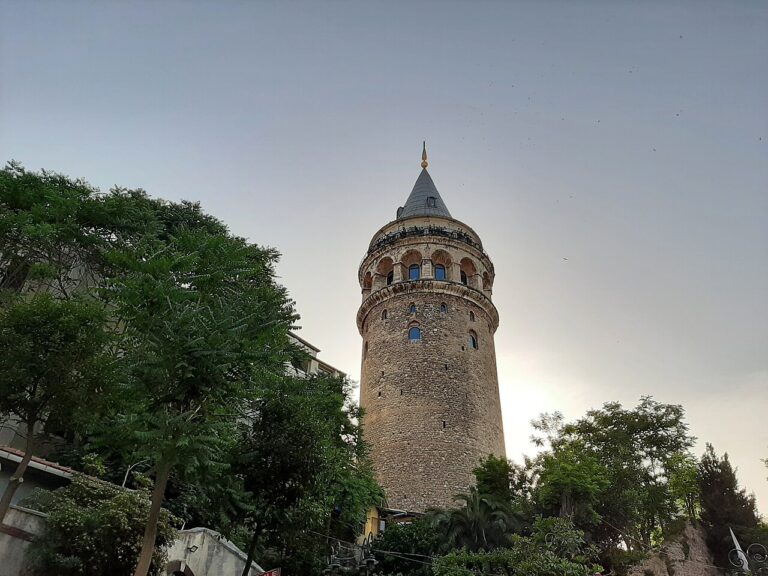
- Galata, below the tower is the crafts quarter: the ceramics, the jewellery, the handmade lamps, the galleries.
- Karaköy, at the foot of the hill is the design district: the concept stores, the specialty coffee, the art galleries.
- The Tünel end is the bookish, bohemian corner: the second-hand bookshops, the music stores, the old-world shops.
The principle: the avenue is for the experience, the lanes and the quarters are for the buying.
The Specialty Shops of Istiklal
The avenue is more than chains. Its institutions include:
- The bookshops. Istiklal has some of Istanbul’s great bookshops, from the historic to the modern — a browsing hour here is a genuine Istanbul experience, and the shelves reward patience.
- The music stores. The avenue’s record shops carry Turkish classics, jazz, and the vinyl culture that never died in Istanbul. A Turkish LP is the most unexpected souvenir on this list.
- The confectioners. Hafız Mustafa, the 1864 institution, sells baklava, lokum, and kazandibi from its avenue branch — the edible souvenir that needs no suitcase space.
- The arcades. The historic arcades off the avenue — the Çiçek Pasajı and its neighbours — hold the old-world shops: jewellery, curios, and the taverns between them.
Galata’s Craft Quarter
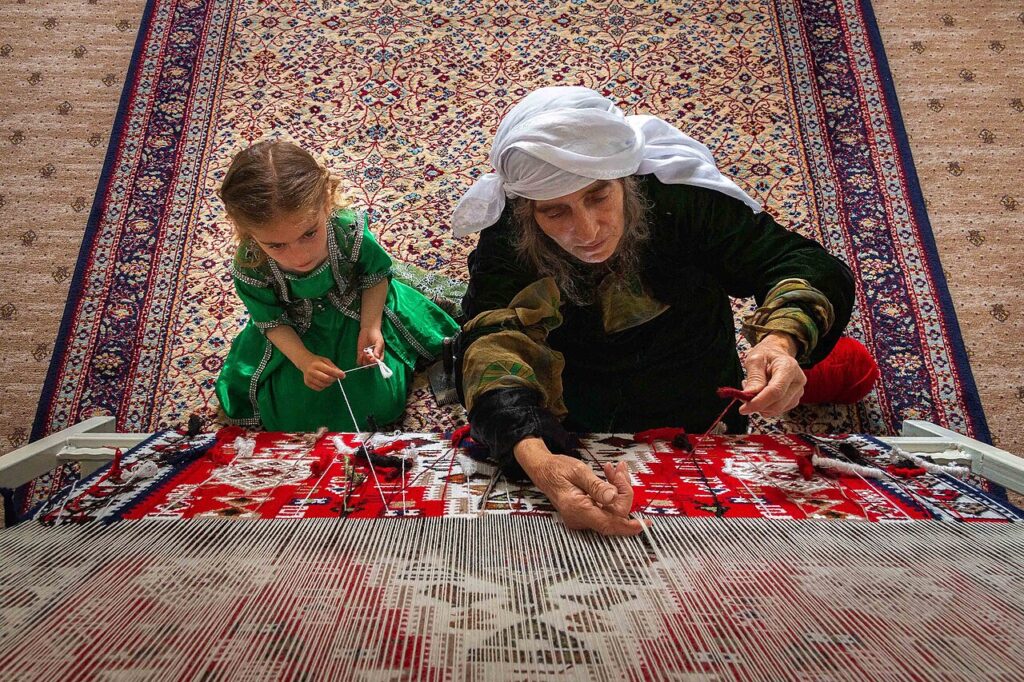
Below the tower, the lanes of Galata are where the handmade lives:
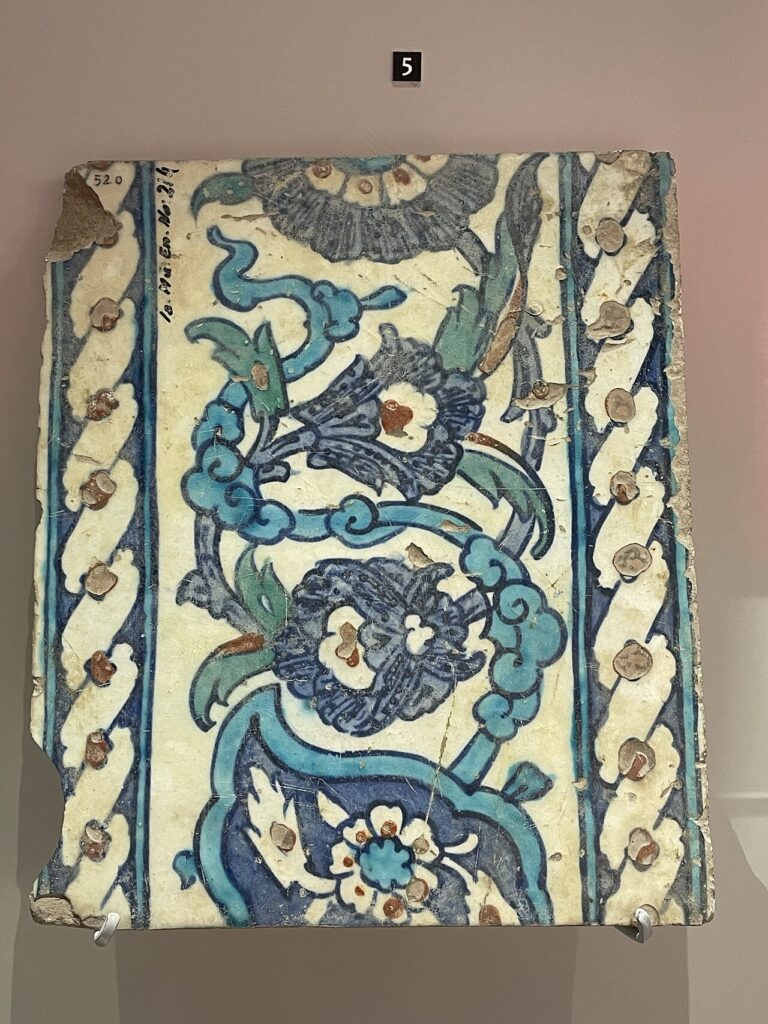
- Ceramics. The pottery shops of Galata sell the hand-painted plates and tiles in the Iznik tradition — smaller, calmer, and more personal than the bazaar’s versions, and the workshops often show the painting process.
- Jewellery. The designers’ studios and the small goldsmiths make Galata’s jewellery scene one of the best in the city — modern, wearable, and unlike anything in the tourist shops.
- Lamps and copper. The mosaic lamps and the hammered copper of the craft shops travel beautifully, and the workshops’ lantern-lit windows are the quarter’s evening charm.
- The vintage and the curious. The vintage shops of Galata sell everything from Ottoman-era curios to mid-century furniture; an hour here is a treasure hunt with actual treasure.
Karaköy’s Design District
Karaköy, at the water’s edge, is the newest and most stylish shopping quarter: the concept stores, the gallery shops, the specialty coffee roasters, and the local designers who have turned the old warehouses into a design district. The souvenirs here are the modern Istanbul: the minimalist ceramics, the silk scarves from small ateliers, the coffee beans roasted a street away. It is the place to buy the gift that says “Istanbul, now” rather than “Istanbul, 1890.”
The Classics Worth Carrying Home
Beyond the district’s specialties, the durable Beyoglu souvenirs:
- Turkish coffee and a cezve — the fine-ground coffee from the historic shops, with the pot to brew it in.
- Silk and cotton scarves — the textile tradition, sold in the avenue’s and Galata’s shops.
- Pestemal towels — the thin, absorbent Turkish towels, the modern classic.
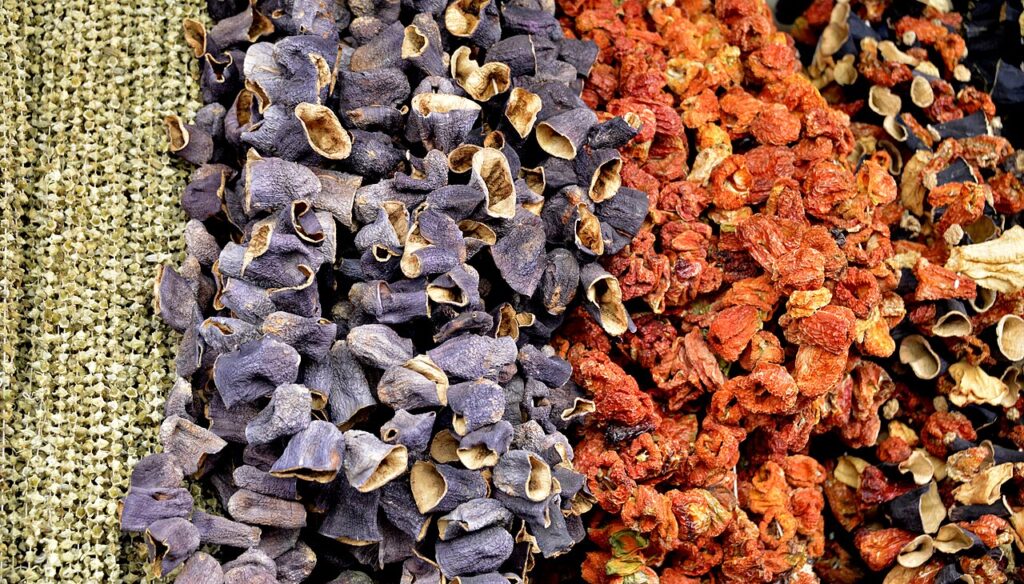
- Spices and teas — the Karaköy and Eminönü markets, a short walk from the district.
- A record or a book — the district’s real specialty, and the souvenir that carries the most of Istanbul’s soul.
- Ceramics and lamps — the craft quarter’s handmade, wrapped for the flight by shops that do it daily.
The Shopping Calendar
The timing of the Beyoglu shopping shapes the experience as much as the streets. The weekdays are the calm hours: the avenues walkable, the galleries quiet, and the shopkeepers unhurried — the right time for the craft quarter of Galata and the considered purchases. The weekends are the energy: the avenue at its fullest, the vintage stalls of the side lanes busy, and the Sunday antiques and the flea markets of the wider district drawing the collectors — the right time for the treasure hunts and the people-watching. The evenings are the window-shopping hours: the gallery lights on, the avenue glowing, and the shops of Istiklal open late, the purchase made with the city lit around it.
The seasonal calendar adds its own notes: the summer sales and the tourist season bring the extended hours, the autumn brings the new collections and the quieter crowds, and the winter brings the holiday lights and the final-shopping energy of the year. The one practical rule: the small crafts shops and the vintage stores often close on the Sunday, so the serious buyer plans the Galata crafts for the weekday or the Saturday, and keeps the Sunday for the avenue and the arcades.

The Budget Realities
The honest budget of Beyoglu shopping is better than the district’s reputation. The avenue’s chains price like any European high street, but the district’s real shopping — the books, the records, the vintage, the crafts — runs at Istanbul prices: the second-hand books at a fraction of their home-country cost, the Turkish records at the prices of the local market, and the craft ceramics well below the Grand Bazaar’s starting offers. The vintage of the side lanes is the district’s great bargain — the 1970s dresses and the leather jackets that would cost a fortune in a western vintage store, priced for the local clientele.
The money rules are simple: pay the fixed prices in the galleries and the design stores without a thought, haggle politely in the craft shops of Galata, and keep the cash for the vintage stalls and the small workshops that prefer it. The one real cost warning is the avenue’s tourist strip — the souvenir shops of the main drag charge the premium for the footfall, and the same goods cost half in the lanes behind. Shop the district the way the district shops, and the budget holds without missing the point.
The Rules of Shopping Here
- The avenue has fixed prices; the crafts quarters negotiate. In the galleries and the design stores, the price is the price. In the craft workshops and the bazaar-style shops, a polite haggle is expected.
- Ask about the maker. The workshops that show you the work are the ones worth buying from; the story is part of the purchase.
- Get it wrapped for the flight. The ceramic and lamp shops pack for travel as a matter of course — ask, and it’s done.
- Card is fine everywhere established; cash for the small stalls. The avenue’s shops and the galleries take cards; the vintage stalls and the small workshops prefer cash.
- Watch the weight. The record shops and the bookshops will tempt you; remember the suitcase has a limit, and the ceramics have a breakage rate.
The Takeaway
Beyoglu is the shopping district of the modern Istanbul: the avenue for the experience, the lanes for the vintage and the vinyl, Galata for the handmade, and Karaköy for the new design scene. Buy the record, the book, the scarf, the lamp — and the box of baklava for the suitcase — and you carry home the district’s actual goods: the culture, the craft, and the city’s own taste. It is the souvenir shopping that makes the Grand Bazaar look like a warm-up.
Frequently asked questions
What is Beyoglu best for shopping?
The modern and the curious: bookshops, record stores, vintage, the craft workshops of Galata, and the design stores of Karaköy — with the confectioners for the edible souvenirs.
Is Beyoglu cheaper than the Grand Bazaar?
For the crafts, it varies; the bazaar haggles harder but the quality control is looser. For everything else — books, records, design, vintage — Beyoglu is the better value and the better selection.
What should you not buy in Beyoglu?
The obvious tourist trinkets on the avenue’s main drag, where the prices are the highest and the quality the thinnest. Two lanes off the avenue, the same things cost half.
Do you need to haggle in Beyoglu?
In the galleries and the design stores, no — fixed prices. In the craft workshops and the vintage shops, a polite attempt never hurts, and the shopkeepers respect the game.
Can you shop in Beyoglu on a Sunday?
The big stores and the avenue run seven days, though the hours shorten. The smaller crafts shops and the vintage stores often close Sunday — check the specific shop, or plan the Galata crafts for a weekday.

All Over Information
The All Over Information editorial team researches and writes practical English-language guides to Turkey. Facts are checked against official and local sources before publication, prices are published as dated ranges rather than quotes, and guides are revised when things change. We accept no sponsored posts, paid placements or paid links.
More guides like this

Photography Spots in Beyoglu You Can’t Miss
Beyoglu is a photographer's playground that hands you the composition before you ask for it: the medieval tower on its hill, the…

A Foodie’s Guide to Beyoglu
For a serious eater, Beyoglu is the center of the gastronomic universe in Istanbul — the district where the city's old traditions…

Where to Stay in Beyoglu: Neighborhood Guide
Beyoglu is where travelers who want the modern Istanbul base themselves — the district of rooftops, restaurants, and nightlife, with the old…
Top 10 Things to Do in Beyoglu
Beyoglu is the district where Istanbul's modern life happens, and its best experiences are a mix of the iconic and the everyday:…

How to Get to Beyoglu from Istanbul
Beyoglu is one of the easiest districts in Istanbul to reach, because the city's transport network is built around it: the M2…

Best Local Restaurants in Beyoglu
Beyoglu is the restaurant district of Istanbul — the place where the city goes out to eat, drink, and argue happily over…